Check Fake Identity Signals Before You Trust a Profile

Editorial guide

Check Fake Identity Signals Before You Trust a Profile

Treat a tidy profile as a lead, then test the name, image, phone, and cross-source details before you decide the identity is real.

Check Fake Identity Signals Before You Trust a Profile
Reader route
Primary intent Fast orientation
Cross-check next Records & comparisons
If the record is yours Move to opt-out
Published May 21, 2026
Briefing

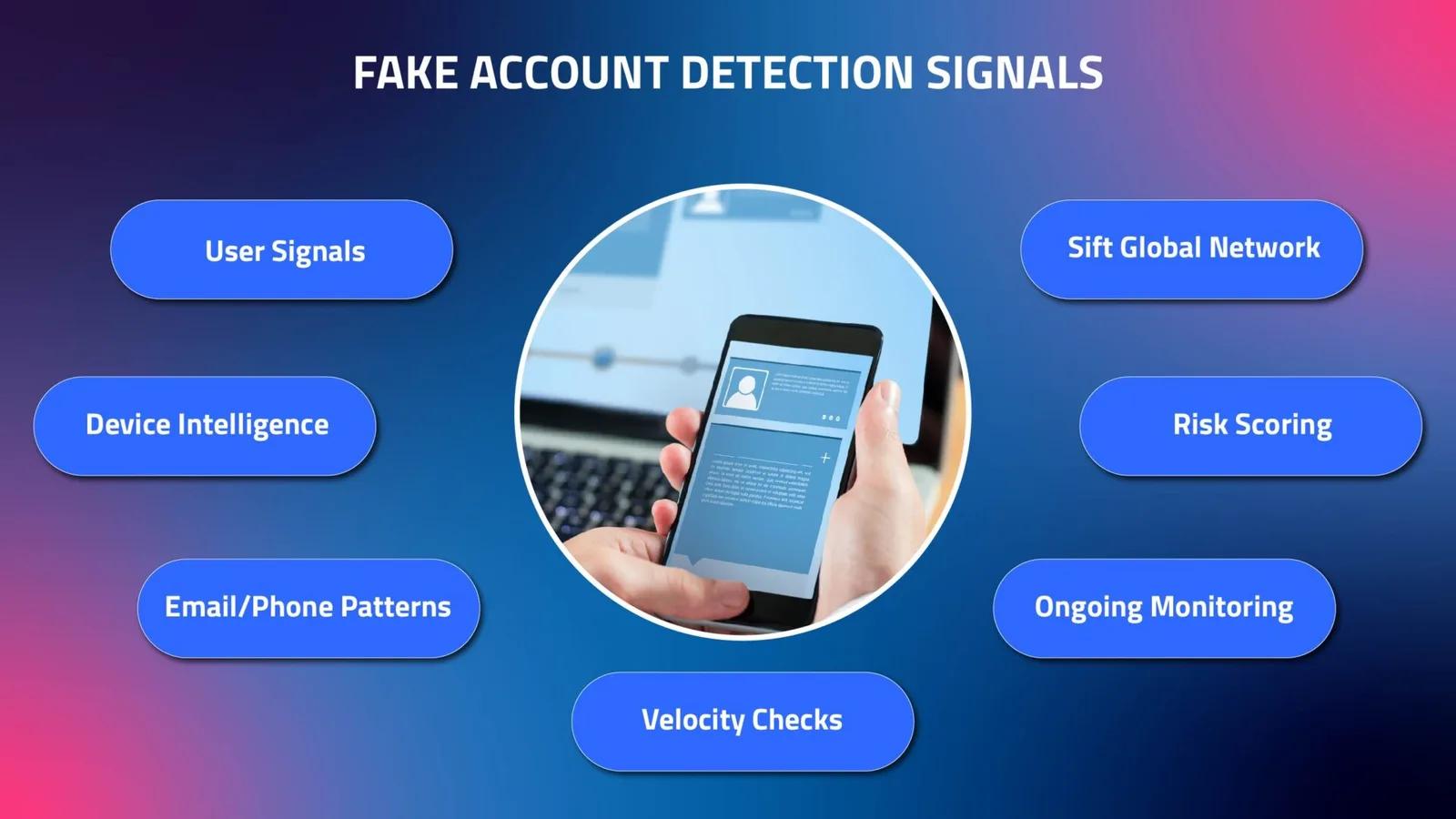
Fake identities often break in the small places. The photo appears under another name, the phone points to a different household, or the social profile has almost no history behind it. When the clues keep matching across tools, confidence rises for a real reason instead of because one page looked convincing.

How to spot real identity behind fake profiles

Don't get hacked, today we havefakeaccounts online. how tospot fakeonlineidentityGet someone location from picture Get ...

  • Channel: Cyber1defense Communication

Video source: Cyber1defense Communication

Rapid read

Key takeaways

  • 01Start with a broad name-and-record check before you decide one profile is real.
  • 02Reverse image and phone checks are fast ways to expose a weak identity claim.
  • 03One contradiction may not settle the case, but a cluster of mismatches should stop trust quickly.
01

Start with the broadest identity anchors first

Begin with the name, likely age band, location, and any relatives or public-record clues you can verify. That broad view gives you something solid to compare before you get distracted by one flattering photo or one friendly bio.

Write down the strongest anchors before opening more tabs. A short note with the likely city, age range, and one or two supporting details makes it easier to notice when later checks support the same person or point somewhere else.

  • 01Keep the first profile that has the strongest record clues, not just the cleanest layout.
  • 02Note age band, metro area, and any relative names before moving on.
  • 03Treat missing basics as a reason to verify more, not a reason to fill the gap yourself.
Check Fake Identity Signals Before You Trust a Profile
02

Run reverse image and phone checks before you trust the contact trail

Profile photos and contact details usually expose a weak identity faster than long bios do. A reverse image check can show whether the same picture belongs to another name, another city, or a stock-photo trail that has nothing to do with the claimed person.

Phone ownership matters the same way. If the number belongs to a different household, an older resident, or a business that never fits the profile story, that mismatch deserves more weight than a polished introduction.

  • 01Check whether the image appears under another identity or in unrelated contexts.
  • 02Use reverse phone lookup to see whether the number fits the same city and timeline.
  • 03Do not treat a matching contact clue as final proof without the rest of the record trail.
Check Fake Identity Signals Before You Trust a Profile
03

Compare small details across tools instead of trusting one tidy story

Fake identities often fail through small inconsistencies rather than one dramatic mistake. The school years do not fit the age band, the work timeline skips around, or the location history changes every time you look in a new source.

Those gaps matter because real identities usually leave a more stable pattern. You are not looking for perfection. You are looking for whether the same person still makes sense when several ordinary details are compared together.

  • 01Cross-check age, city trail, work history, and household clues together.
  • 02Write down contradictions instead of smoothing them over in your head.
  • 03Pause when the overlap is weaker than the excuses needed to keep the match alive.
04

Use social-history depth as a support check, not the whole decision

A real social profile usually has some depth: older activity, believable friend overlap, or a pattern that matches the same city and life timeline. Thin accounts with fresh posts, shallow interaction, or no outside traces deserve more caution.

The goal is not to demand a public life from everyone. The goal is to see whether the profile behaves like a real person with history behind it or like a surface-level identity built for one short purpose.

  • 01Look for older activity, consistent location clues, and believable network overlap.
  • 02Be careful with profiles that are new, empty, or detached from every other trace.
  • 03Make the final call only after the social pattern agrees with the record, image, and phone checks.

FAQ

Frequently asked questions

01What is the fastest way to test whether a profile identity is weak?

Run a reverse image check and a phone-ownership check first. Those two steps often show quickly whether the profile photo and contact trail belong to the same person or to someone else entirely.

02Can one mismatch prove the profile is fake?

Not always. One mismatch can come from stale data, but several mismatches across image use, phone ownership, location history, and basic record clues should stop trust until the identity is verified more carefully.

03Why does social-history depth matter?

Because real identities usually leave a pattern over time. Older activity, believable network overlap, and a history that fits the same city and timeline are harder to fake than one new profile with a neat photo and short bio.