Reverse License Plate Lookup: How to Check It Without Overtrusting the Result

Editorial guide

Reverse License Plate Lookup: How to Check It Without Overtrusting the Result

Use a license plate clue carefully: confirm the state, compare vehicle details, check record limits, and avoid treating a lookup as proof of identity.

Reverse License Plate Lookup: How to Check It Without Overtrusting the Result
Reader route
Primary intent Fast orientation
Cross-check next Records & comparisons
If the record is yours Move to opt-out
Published July 3, 2026
Briefing

This guide explains how to use a plate search carefully: confirm the state, compare any vehicle details against what you already know, and avoid making personal or legal decisions from one database result alone.

License Plate Lookup – Find Out Who Owns That Car 🔍🚘

Need to know who owns a car? A license plate lookup can legally give you the answers. Here's how it works. Start your search: ...

  • Channel: LanceThePI

Video source: LanceThePI

Rapid read

Key takeaways

  • 01Start with the plate number and registration state; a wrong state can point the search in the wrong direction.
  • 02Use the result to confirm vehicle details such as make, model, year, VIN, title history, or incident records when those fields are available.
  • 03Do not assume a plate search identifies the current driver or owner with certainty, especially when records may be old, incomplete, or restricted.
  • 04Pause when the result conflicts with other evidence, asks for unclear fees, or would push you toward contacting someone without enough verification.
01

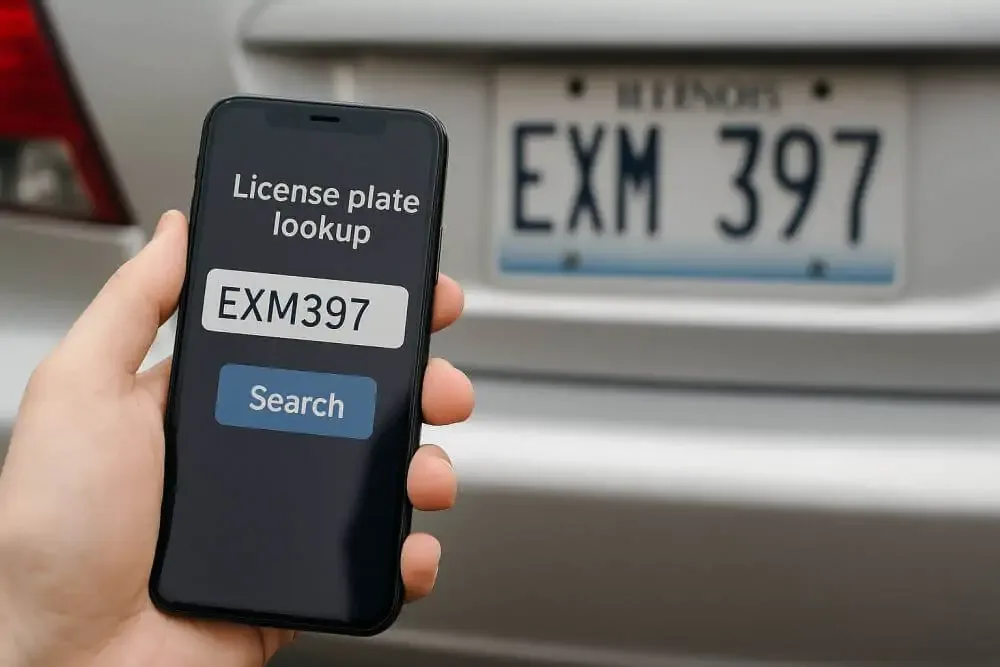
A reverse license plate lookup searches vehicle-related records from a plate number and, in most cases, the state where the plate is registered. That makes it helpful for checking a vehicle clue, not for proving who is behind the wheel at a specific moment.

The safest first step is to write down exactly what you know: the full plate number, the state, where the plate was seen, the date, and any visible vehicle details such as color, body style, or damage.

If the lookup returns a possible vehicle match, compare it against those details before trusting the result. A mismatch in state, model year, or vehicle type is enough reason to stop and recheck the input.

  • 01Record the plate number exactly, including spacing or specialty-plate characters if they matter.
  • 02Choose the registration state before running the search.
  • 03Compare make, model, color, and year against what you personally observed.
  • 04Treat the result as a lead, not a legal identity check.
Reverse License Plate Lookup: How to Check It Without Overtrusting the Result
02

Vehicle information may come from public records, private databases, title-history providers, inspection records, sales listings, or partner data services. The result is only as reliable as the record behind it.

Look for signs that the report explains where the information came from and when it was last updated. A result that gives a confident answer without dates, sources, or limits should be handled cautiously.

For sensitive situations such as accidents, suspected theft, harassment, or legal disputes, use official channels instead of relying on a consumer lookup page alone.

  • 01Look for update dates or report timestamps.
  • 02Separate vehicle facts from assumptions about a person.
  • 03Use DMV, police, insurance, or legal channels when the issue is formal or high-risk.
  • 04Avoid services that hide pricing until after collecting too much personal information.
Reverse License Plate Lookup: How to Check It Without Overtrusting the Result
03

A stronger report may include make, model, year, VIN, title status, registration signals, accident history, theft reports, inspection records, sale records, or traffic-related data. Not every search will include all of those fields.

The practical move is to verify several small details together. A plate result that matches the vehicle make but not the year or state is weaker than a result that lines up across multiple fields.

If only one field is available, keep the search open-ended. One matching clue can help you decide what to check next, but it should not be treated as confirmation by itself.

  • 01Compare the plate result against at least two observed vehicle details when possible.
  • 02Check whether the VIN or title information is present before relying on history claims.
  • 03Watch for records that may describe a previous owner or an outdated registration period.
  • 04Save screenshots or notes only when you have a legitimate reason to document the search.
04

A license plate is tied to a vehicle record, but that does not always identify the person using the vehicle today. Cars are sold, borrowed, rented, leased, shared within families, or driven for work.

If a report suggests an owner name or background link, check whether the page explains the legal basis and age of that data. Some details may be restricted, incomplete, or unavailable in certain states.

Before contacting anyone, confirm the situation through safer evidence: prior messages, transaction records, location context, official paperwork, or a direct report to the proper authority.

  • 01Do not assume the listed owner was the driver.
  • 02Be careful with older records, vehicle transfers, and shared vehicles.
  • 03Do not use a lookup to harass, threaten, or bypass privacy rules.
  • 04Escalate to official reporting channels if safety is involved.
05

A lookup is useful when it narrows a question, but it becomes risky when it encourages a decision the evidence cannot support. Stop when the report is vague, contradictory, outdated, or missing the field you actually need.

For buying a used car, pair any plate result with a VIN check, title review, inspection, seller documents, and payment safeguards. For an incident on the road, record what happened and contact the relevant authority instead of trying to identify someone privately.

The best outcome is a clear next step: verify the VIN, ask the seller for documentation, file a report, check an official record, or decide that the lead is too weak to use.

  • 01Stop if the report conflicts with the vehicle you observed.
  • 02Use a VIN-based check before buying or paying for a vehicle.
  • 03Use official reporting channels for crashes, threats, or suspected crimes.
  • 04Do not pay for repeated reports unless each one answers a specific missing question.

FAQ

Frequently asked questions

01Can a reverse license plate lookup identify the current driver?

Usually no. It may return vehicle or registration-related information, but the current driver could be different from the registered owner or from any person linked to older records.

02What should I check before trusting a plate lookup result?

Confirm the plate number, state, vehicle make, model, year, and any VIN or title details shown in the report. If those details do not line up, treat the result as unreliable.

03Is a license plate search enough before buying a used car?

No. Use it as one early clue, then verify the VIN, title status, inspection history, seller documents, and payment terms before making a decision.

04When should I avoid using a people-search style plate result?

Avoid relying on it when safety, legal action, harassment concerns, or a formal dispute is involved. In those cases, document what you know and use police, DMV, insurance, or legal channels.