
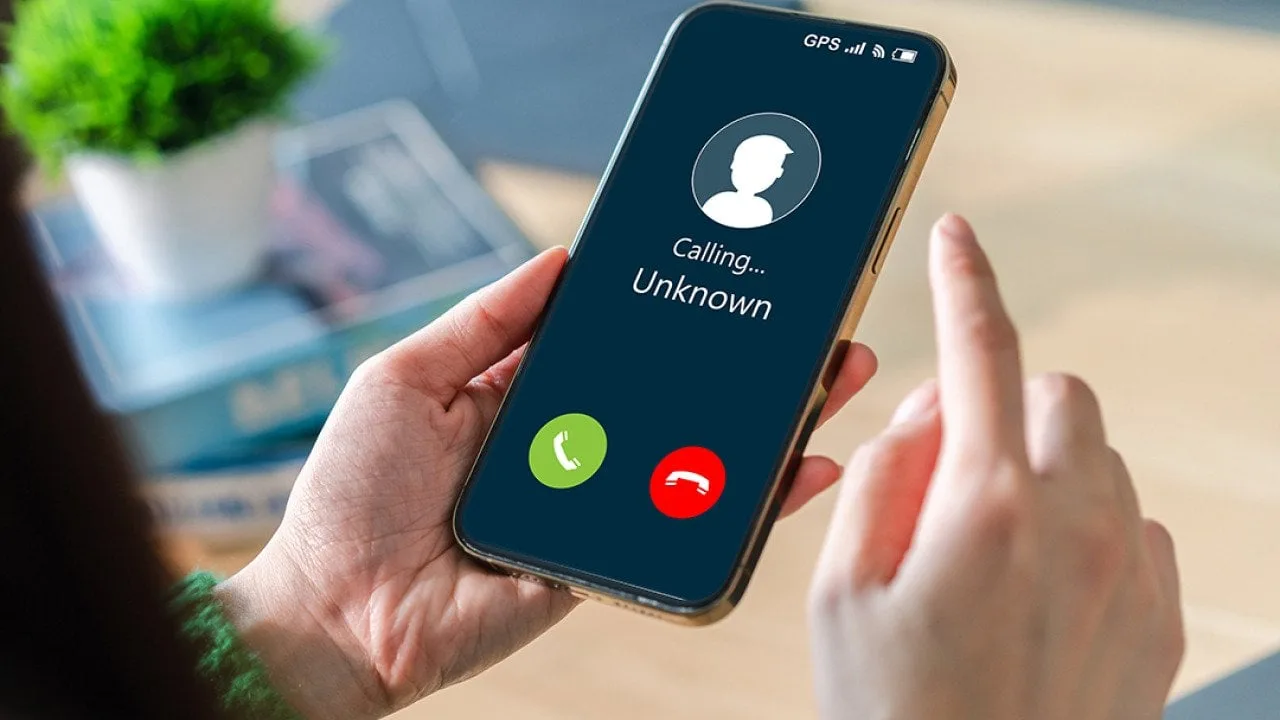
How to Use a Reverse Phone Lookup Without Chasing the Wrong Person

Editorial guide

How to Use a Reverse Phone Lookup Without Chasing the Wrong Person

Help readers use reverse phone lookup results carefully enough to identify useful leads without locking onto the wrong person too early.

How to Use a Reverse Phone Lookup Without Chasing the Wrong Person
Reader route
Primary intent Fast orientation
Cross-check next Records & comparisons
If the record is yours Move to opt-out
Published June 29, 2026
Briefing

The catch is that one exact input can still produce messy identity answers, so the real skill is knowing how to verify the match before you act like the mystery is solved.

The source lays out a step-by-step reverse phone process that can be reframed into a safer lookup workflow focused on avoiding false matches and overconfidence.

How to Find a Phone Number's Owner | The Ultimate OSINT Reverse Phone Lookup Guide (2025)

How to Find a Phone Number's Owner | The Ultimate OSINT Reverse Phone Lookup Guide (2025) In this comprehensive OSINT ...

  • Channel: CavemenTech

Video source: CavemenTech

Rapid read

Key takeaways

  • 01The source lays out a step-by-step reverse phone process that can be reframed into a safer lookup workflow focused on avoiding false matches and overconfidence.
  • 02A phone number is a useful entry point, not instant proof of identity.
  • 03Unknown-caller checks work better when location and record context are cross-checked next.
  • 04The goal is to reduce false matches before acting on the result.
01

Start with the number but stay skeptical

The source lays out a step-by-step reverse phone process that can be reframed into a safer lookup workflow focused on avoiding false matches and overconfidence.

A phone number is a useful entry point, not instant proof of identity.
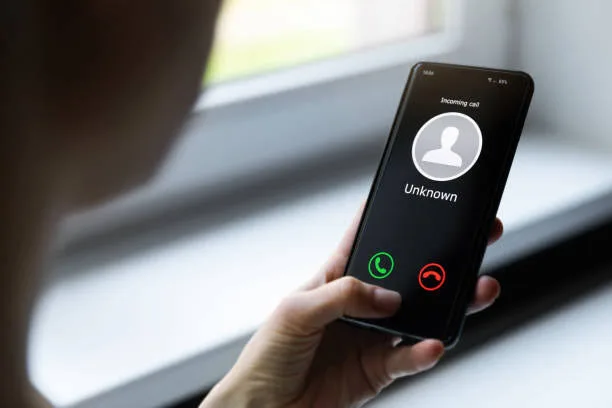
How to Use a Reverse Phone Lookup Without Chasing the Wrong Person
02

Check location and timing before identity claims

A phone number is a useful entry point, not instant proof of identity.

Unknown-caller checks work better when location and record context are cross-checked next.

The source lays out a step-by-step reverse phone process that can be reframed into a safer lookup workflow focused on avoiding false matches and overconfidence.

03

Cross-reference with other public clues

Unknown-caller checks work better when location and record context are cross-checked next.

The goal is to reduce false matches before acting on the result.

The source lays out a step-by-step reverse phone process that can be reframed into a safer lookup workflow focused on avoiding false matches and overconfidence.

04

Know when the match is strong enough to trust

The goal is to reduce false matches before acting on the result.

A phone number is a useful entry point, not instant proof of identity.

The source lays out a step-by-step reverse phone process that can be reframed into a safer lookup workflow focused on avoiding false matches and overconfidence.

FAQ

Frequently asked questions

01Can an age range alone prove you found the right person?

No. An age range can narrow the field, but it only becomes persuasive when it lines up with other clues such as city history, likely relatives, or a second record source.

02What age mismatch is big enough to reject a match quickly?

If the result is off by a full generation, such as a profile that looks 20 years older or younger than the person you are trying to verify, treat it as a likely miss unless several stronger identity clues say otherwise.

03What should you check after the age range looks plausible?

Compare the city, relative names, and one second source before you trust the profile. That second pass usually tells you whether the age range was a useful clue or just a coincidence.